

What is Drilling Fluid Dewatering?
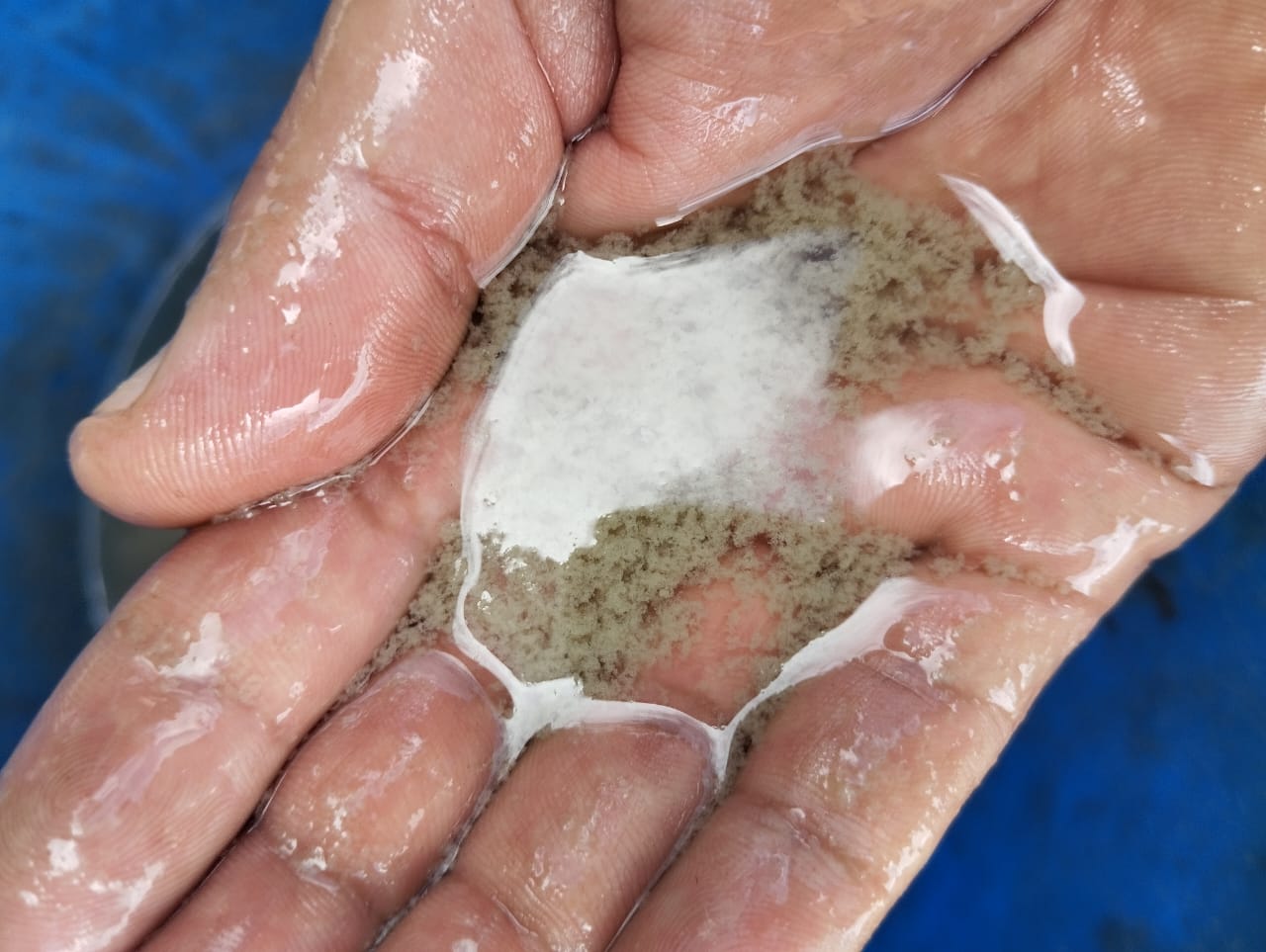
Any drilling or excavation project that uses a liquid fluid system generates waste. Used drilling fluid, slurry returns, and pit water contain suspended solids that must be separated before water can be discharged and solids can be disposed of.
Dewatering is the process of treating this waste stream to separate liquid and solids. The goal is to produce cleaner water for discharge and drier solids for easier, lower-cost disposal.
As discharge regulations become stricter across North America and Latin America, effective dewatering is becoming an essential part of project compliance.
How Chemical Treatment Works
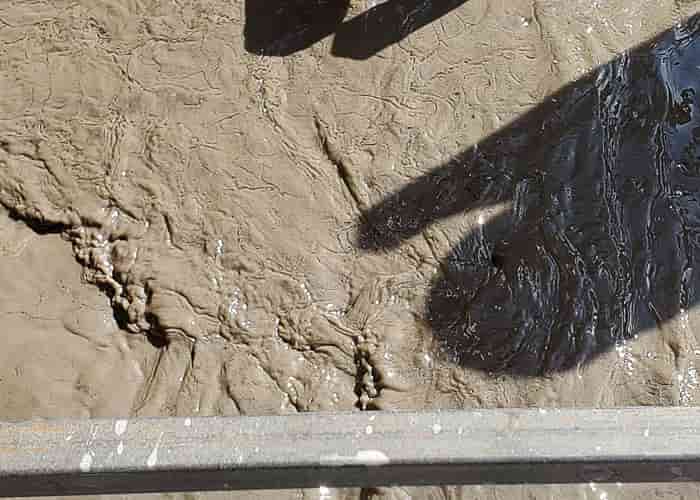
Fine clay and silt particles stay suspended in water and usually will not settle without treatment. Dewatering typically involves three steps:
- Coagulation: Neutralizes particle charge so solids can begin to come together.
- Flocculation: Forms larger flocs that settle faster or separate more easily.
- Separation: Removes solids by settling, filter press, or centrifuge.
Solidification agents can also be added when drier, easier-to-handle waste is required for disposal.
How NorthStar Supports Your Dewatering Program
NorthStar supplies dewatering chemicals for HDD, tunneling, and excavation projects where fluid management is both an operational and regulatory concern. We match the treatment approach to the specific fluid being treated.
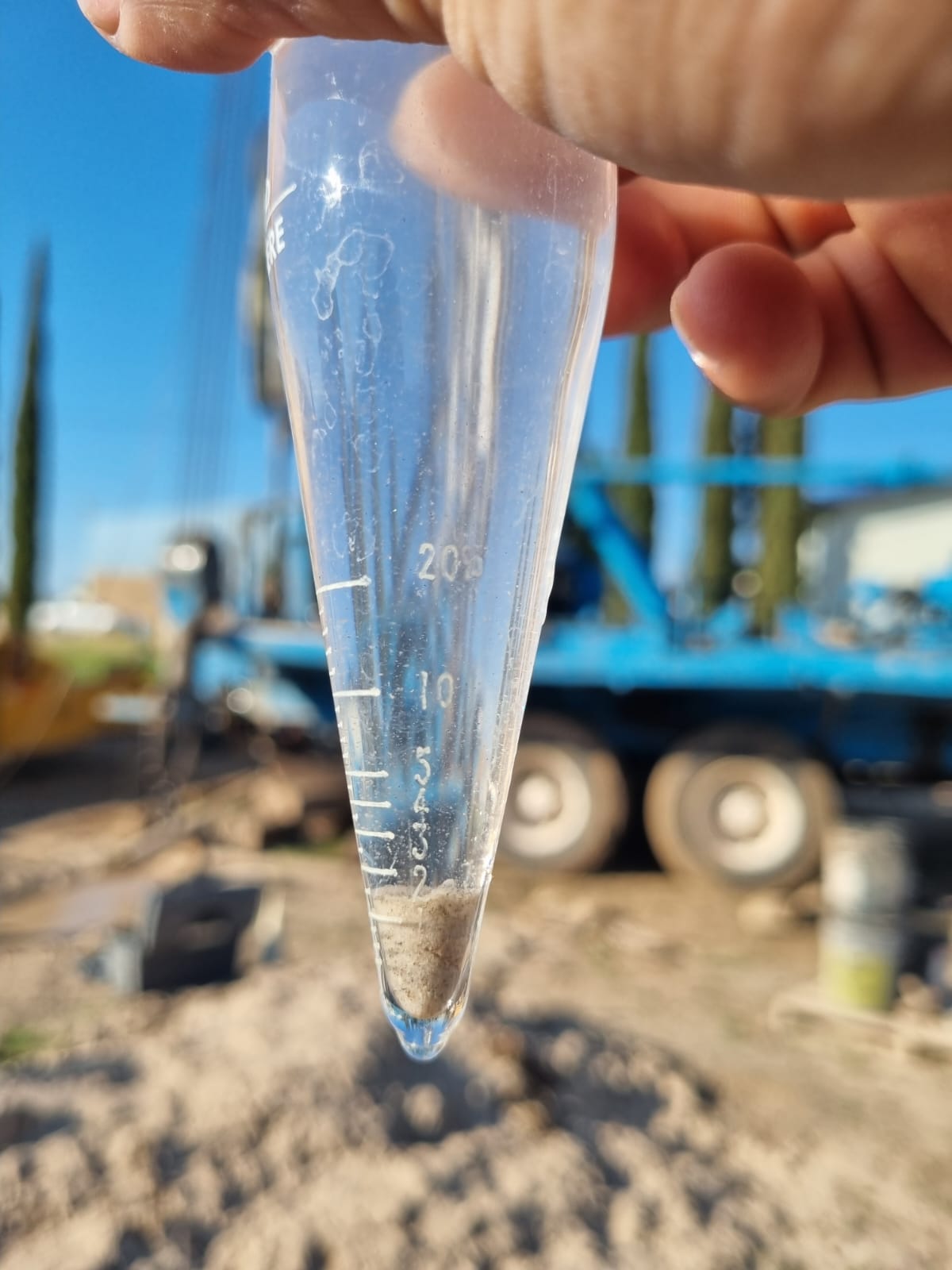
Because bentonite content, polymer type, and water chemistry can all affect performance, NorthStar can perform jar testing on site samples to help determine the right product and dosage before treatment begins.
Our products are available in totes and bags for projects of any size, and our team can also provide guidance on discharge sampling, documentation, and environmental compliance.
Key Products
Products for dewatering and fluid waste management.